



 Saif Ali
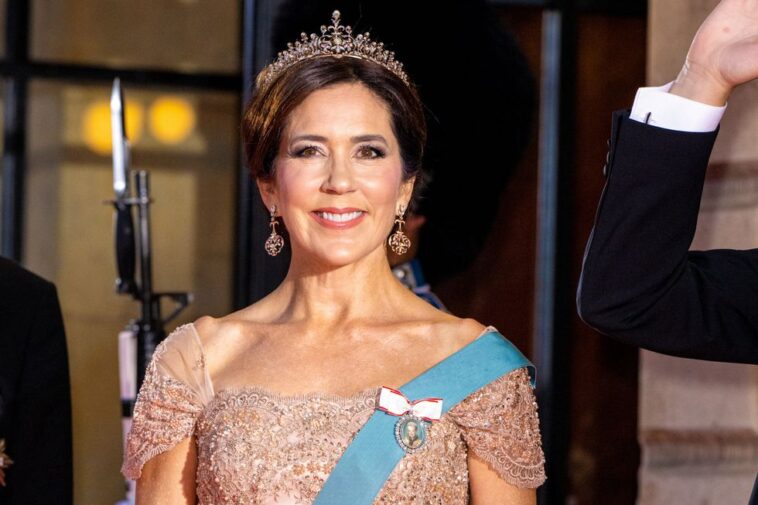
Crown Princess Mary of Denmark made headlines worldwide when she was photographed wearing a striking green swimsuit made entirely from recycled sea trash and ocean waste materials. The fashion choice was more than just a stylish beach look – it was a powerful statement about sustainability, environmental responsibility, and the role public figures can play in promoting eco-conscious consumer choices. The moment quickly went viral, sparking conversations about sustainable fashion and ocean conservation across international media.
The Sustainable Swimsuit
The swimsuit worn by Crown Princess Mary was manufactured using recycled materials recovered from ocean waste, including discarded fishing nets, plastic bottles, and other marine debris. The fabric, typically produced using a process called ECONYL regeneration, transforms ocean waste into high-quality nylon yarn that can be used to create fashionable clothing with a significantly lower environmental footprint than traditional manufacturing. The result is a product that looks and feels identical to conventional swimwear while representing a fundamentally different approach to fashion production.
The green color of the swimsuit was achieved using eco-friendly dyes that minimize water pollution compared to conventional textile dyeing processes. The brand behind the swimsuit has built its entire business model around the concept of turning ocean pollution into premium fashion products, demonstrating that sustainability and style are not mutually exclusive. The garment’s sleek design and flattering cut proved that eco-friendly fashion can compete with traditional luxury swimwear on every metric including appearance, comfort, and durability.
Why Royal Fashion Choices Matter
When members of royal families wear specific brands or types of clothing, the impact on consumer behavior can be enormous. This phenomenon, sometimes called the “royal effect” or “Kate effect” (named after Catherine, Princess of Wales, whose fashion choices routinely sell out products within hours), means that Crown Princess Mary’s decision to wear recycled ocean waste swimwear brought unprecedented attention to the sustainable fashion movement.
Related Reading
Royal fashion choices are not accidental. Members of European royal families work closely with stylists and advisors who understand the communicative power of clothing. By choosing a swimsuit made from recycled ocean materials, Crown Princess Mary sent a clear message about Denmark’s commitment to environmental leadership and ocean conservation. Denmark has positioned itself as a global leader in sustainability, and the royal family’s fashion choices reinforce this national identity on the world stage.
The Ocean Waste Crisis
The swimsuit’s origin materials highlight the scale of the ocean pollution crisis facing the planet. An estimated 8 million metric tons of plastic waste enters the world’s oceans every year, threatening marine ecosystems, contaminating food chains, and creating massive garbage patches in the Pacific, Atlantic, and Indian oceans. The Great Pacific Garbage Patch alone covers an area estimated at 1.6 million square kilometers, roughly twice the size of Texas.
Marine debris is not just an environmental problem – it is an economic one. The fishing industry loses billions of dollars annually due to damaged equipment, reduced catches, and contaminated seafood. Tourism-dependent coastal communities suffer when beaches are littered with debris, and the cleanup costs for coastal governments run into hundreds of millions of dollars each year. By supporting products made from recycled ocean waste, consumers can contribute to creating economic incentives for ocean cleanup efforts.
The Growing Sustainable Fashion Movement
Crown Princess Mary’s swimsuit choice reflects a broader trend in the fashion industry toward sustainability and circular economy principles. Major fashion brands are increasingly incorporating recycled materials into their product lines, driven by growing consumer demand for environmentally responsible options. The global sustainable fashion market is projected to grow significantly in the coming years as awareness of the fashion industry’s environmental impact continues to increase.
Innovations in recycling technology have made it possible to create high-quality fabrics from an increasingly diverse range of waste materials. Beyond ocean plastics, companies are now producing textiles from recycled cotton, agricultural waste, and even carbon dioxide captured from industrial emissions. These innovations suggest that the future of fashion will be defined not just by how clothing looks and feels, but by the environmental story embedded in every thread and fiber. Crown Princess Mary’s beach appearance served as a beautiful reminder that looking good and doing good can go hand in hand.


