



 Saif Ali
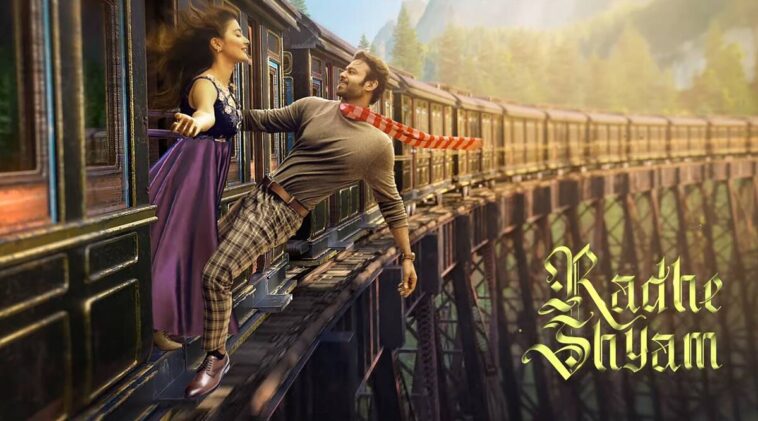
The much-anticipated romantic drama Radhe Shyam, starring pan-Indian superstar Prabhas and actress Pooja Hegde, received a mixed reception from audiences who took to Twitter to share their reactions immediately after watching the film. The polarized response created one of the most lively and debated movie discussions on Indian Twitter, with the film’s visual grandeur earning widespread praise while its story and pacing drew criticism from viewers who expected more from the Baahubali star’s romantic venture.
The Positive Reactions
Fans who enjoyed Radhe Shyam consistently highlighted the film’s stunning visual presentation as its strongest asset. The period setting, lavish production design, and cinematography by Manoj Paramahamsa received almost universal acclaim. Twitter was flooded with screenshots and clips showcasing the film’s gorgeous imagery, from European palatial interiors to lush garden sequences that looked like living paintings. Many viewers compared the visual quality to Hollywood period dramas, praising the production team for creating a world that felt authentically luxurious and immersive.
Prabhas’s performance as a palmist drew praise from fans who appreciated his attempt to play a romantic lead rather than the action-heavy roles he had become known for since Baahubali. His chemistry with Pooja Hegde was highlighted as a positive element, with several tender scenes between the leads earning genuine emotional responses from viewers. The music by Justin Prabhakaran was another frequently praised element, with the soundtrack being described as soulful, melodic, and perfectly complementing the film’s romantic atmosphere.
The Critical Responses
However, a significant portion of the audience expressed disappointment with the film’s screenplay and narrative structure. Critics pointed to pacing issues, particularly in the second half where the story’s momentum slowed considerably. The central conflict, which revolves around the tension between destiny and free will as seen through palmistry, was described by some viewers as underdeveloped and unable to sustain the emotional weight the film placed upon it.
Related Reading
The film’s climax generated the most divided reactions. Without spoiling specific plot details, many viewers felt that the ending did not deliver the emotional payoff that the lengthy romantic buildup deserved. Some described it as abrupt and unsatisfying, while others defended it as a bold creative choice that stayed true to the film’s themes about fate and destiny. The debate over the ending became one of the most active discussion threads on Indian Twitter on release day.
Prabhas’s Box Office Journey
Radhe Shyam was particularly significant in the context of Prabhas’s career trajectory. After the historic commercial success of the Baahubali franchise, which collectively grossed over 2,500 crore rupees worldwide and made Prabhas the biggest pan-Indian star of his generation, his subsequent films faced impossibly high expectations. Saaho (2019), while commercially decent, had received poor reviews, and Radhe Shyam represented an attempt to prove that Prabhas could succeed in genres beyond large-scale action spectacles.
The mixed reception of Radhe Shyam sparked broader conversations about the challenges faced by stars who achieve genre-defining success. The Baahubali effect created expectations that may be impossible for any single film to meet, and Prabhas’s decision to attempt different genres – romance with Radhe Shyam, mythological epic with Adipurush, science fiction with Project K – represented a deliberate strategy to expand his range even at the risk of not matching Baahubali’s cultural impact.
The Bigger Picture
Regardless of individual opinions on the film’s quality, Radhe Shyam’s release was a significant moment for Indian cinema. The film’s simultaneous release in Telugu, Hindi, Tamil, Malayalam, and Kannada demonstrated the growing demand for pan-Indian content that transcends regional language barriers. The passionate Twitter discussion, both positive and negative, proved that audiences remain deeply engaged with Indian cinema and are willing to express strong opinions about the films and stars they care about. For Prabhas, the mixed response represented a learning experience that would inform his approach to future projects in his ongoing quest to follow up on the legacy of Baahubali.