



 Zakariya Daman
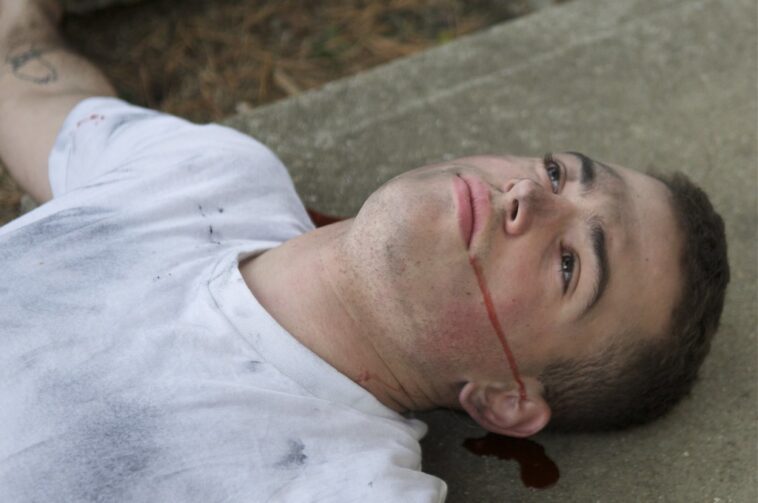
Director Zack Snyder returned to his zombie roots with Army of the Dead, a genre-bending Netflix original that combined the adrenaline of a heist movie with the horror of a zombie apocalypse. The film, set in a quarantined Las Vegas overrun by the undead, followed a team of mercenaries who attempt to break into a casino vault and extract $200 million before the city is destroyed by a nuclear strike. The ambitious premise delivered exactly the kind of bombastic, visually spectacular entertainment that Snyder has become known for throughout his career.
Plot and Premise
Army of the Dead opens with a military convoy accidentally releasing a mysterious creature that turns Las Vegas into a zombie-infested wasteland. The government walls off the city, creating a quarantine zone filled with hundreds of thousands of undead. Casino owner Bly Tanaka approaches former military operative Scott Ward (played by Dave Bautista) with a proposition: assemble a team, break into the vault beneath his casino, retrieve the $200 million in cash, and get out before the scheduled nuclear strike destroys the city in 32 hours.
Ward assembles a diverse team of specialists – a helicopter pilot, a safecracker, a zombie expert, and various combat specialists – each bringing unique skills essential to the mission. What elevates the premise beyond a simple smash-and-grab is the revelation that the zombies in Vegas have evolved. Led by a creature called Zeus, the undead have developed intelligence, social hierarchy, and territorial behavior, making them far more dangerous than the mindless shuffling corpses of typical zombie fare.
Related Reading
Zack Snyder’s Vision
For Zack Snyder, Army of the Dead represented a return to the genre that launched his feature film career with the 2004 Dawn of the Dead remake. However, this was not simply a nostalgic retreat – Snyder used the film to experiment with visual techniques, including personally operating the camera for much of the shoot using vintage lenses that created a distinctive shallow depth-of-field look unlike anything seen in a major production before.
The film’s visual style was deliberately different from Snyder’s previous work. The zombie-infested Vegas was rendered in saturated, almost dreamlike tones that contrasted the horror of the undead with the garish beauty of the abandoned casino strip. Action sequences were choreographed with the combination of practical effects and digital enhancement that Snyder has refined over multiple blockbuster productions, creating set pieces that were both viscerally exciting and visually inventive.
The Cast and Characters
Dave Bautista proved his leading man credentials with a performance that balanced action movie physicality with genuine emotional vulnerability. His portrayal of Scott Ward as a man seeking redemption through one last mission gave the film an emotional core that grounded the more outlandish genre elements. The supporting cast included Ella Purnell as Ward’s estranged daughter, Omari Hardwick as a loyal friend and team member, Tig Notaro (digitally inserted to replace a previously cast actor), and Ana de la Reguera as the team’s tactical expert.
Reception and Legacy
Army of the Dead received mixed reviews from critics but proved extremely popular with Netflix audiences, becoming one of the platform’s most-watched original films at the time of its release. The film’s success spawned an expanded universe including the prequel film Army of Thieves and an animated series Army of the Dead: Lost Vegas, demonstrating Netflix’s confidence in the franchise’s commercial potential. For zombie genre fans, the film offered a fresh take on a well-worn concept, proving that even after decades of zombie entertainment, there are still creative ways to tell stories about the undead.
The Netflix Strategy
Army of the Dead represented an important milestone in Netflix’s strategy of producing theatrical-quality films for its streaming platform. The film’s $90 million budget was a significant investment that signaled Netflix’s willingness to compete with traditional studios on blockbuster-scale productions. Snyder’s involvement brought credibility and fan interest, while the streaming release model allowed the film to reach a global audience simultaneously rather than relying on the traditional theatrical rollout that can take months to reach all markets.
The film’s success on Netflix demonstrated that audiences were willing to consume big-budget action entertainment through streaming services, accelerating the industry’s shift toward digital distribution. For Zack Snyder personally, the project represented creative freedom after his complicated departure from the DC Extended Universe, allowing him to tell a story on his own terms without the constraints and studio interference that had characterized his previous blockbuster experiences. The result was a film that felt distinctly personal despite its massive scale, bearing Snyder’s visual fingerprints in every frame while embracing the fun, pulpy energy of its zombie heist premise.