




 Shraddha Diwan
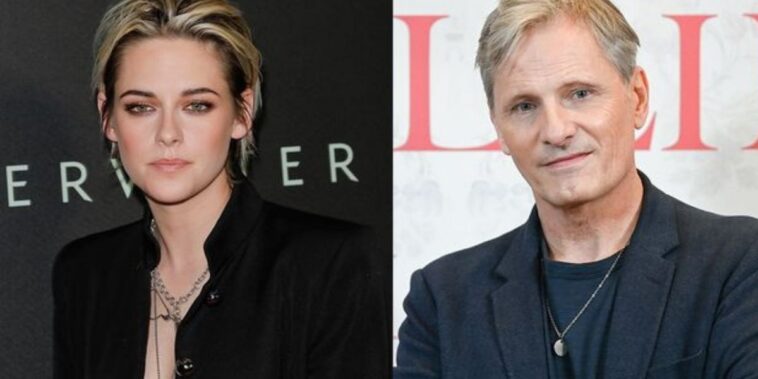
Two of cinema’s most fearless performers, Kristen Stewart and Viggo Mortensen, joined forces for legendary director David Cronenberg’s latest project, creating one of the most anticipated independent film pairings in recent memory. The collaboration brought together Mortensen’s long history with Cronenberg and Stewart’s increasingly bold career choices, promising a film that would challenge audiences and push the boundaries of what mainstream cinema can explore.
The Film and Its Vision
David Cronenberg’s new project continued the director’s lifelong exploration of the relationship between the human body, technology, and consciousness. Known as the master of “body horror,” Cronenberg has spent five decades creating films that examine how our physical forms interact with the world around us – from early works like Videodrome and The Fly to more recent meditations on violence and identity in A History of Violence and Eastern Promises. His new film took these themes into provocative new territory, imagining a world where the boundaries between natural and artificial bodies have become dangerously blurred.
The film explored a near-future setting where humans have evolved beyond the ability to feel physical pain, and a subculture has emerged around the creation and display of new organs grown within the body as a form of artistic expression. This premise, simultaneously beautiful and disturbing, was quintessential Cronenberg – using science fiction concepts to explore deeply human questions about identity, art, and what it means to inhabit a physical form.
Viggo Mortensen’s Return to Cronenberg
Viggo Mortensen’s relationship with David Cronenberg is one of modern cinema’s most productive actor-director partnerships. Their previous collaborations, A History of Violence (2005) and Eastern Promises (2007), rank among the finest films of the 21st century and established Mortensen as an actor of extraordinary range and commitment. His willingness to physically and emotionally transform for Cronenberg’s uncompromising visions has earned him critical acclaim and audience admiration across multiple decades.
Related Reading
For this new project, Mortensen once again demonstrated his dedication to the material by undergoing significant physical preparation and engaging deeply with the philosophical themes underlying the story. In interviews, Mortensen spoke about the trust that exists between him and Cronenberg – a creative shorthand built over years of collaboration that allows both artist and director to take risks they might not attempt with less familiar partners. This trust resulted in a performance that critics described as one of Mortensen’s most vulnerable and compelling.
Kristen Stewart’s Bold Career Choices
Kristen Stewart’s casting represented another landmark in a career that has undergone one of Hollywood’s most impressive transformations. After achieving massive commercial success and tabloid fame through the Twilight franchise, Stewart deliberately pivoted toward challenging independent films and auteur-driven projects. Her collaborations with directors like Olivier Assayas (Personal Shopper, Clouds of Sils Maria), Kelly Reichardt (Certain Women), and Pablo Larrain (Spencer) established her as one of the most artistically adventurous actresses working today.
Her Oscar nomination for portraying Princess Diana in Spencer confirmed what independent film audiences had known for years: Stewart is a remarkably talented performer whose range extends far beyond the mainstream commercial roles that first brought her fame. Working with Cronenberg represented a natural progression in her filmography, aligning her with a director whose uncompromising artistic vision matched her own desire to take creative risks and challenge audience expectations.
The Cultural Significance
The collaboration between Cronenberg, Mortensen, and Stewart arrived at a moment when independent cinema needed compelling star-driven projects to draw audiences back to theaters. The film premiered at the Cannes Film Festival, where it generated the kind of passionate debate that Cronenberg’s work has always provoked – some viewers were disturbed, others were deeply moved, and virtually no one was indifferent. This polarized response is exactly what great art should provoke, and it confirmed Cronenberg’s enduring relevance as one of cinema’s most important provocateurs.
For audiences willing to engage with challenging material, the Stewart-Mortensen-Cronenberg combination offered a filmgoing experience that big-budget franchises simply cannot provide: genuine artistic provocation, career-best performances, and ideas that linger in the mind long after the credits roll. In an era dominated by sequels and IP-driven content, their collaboration served as a reminder that cinema’s greatest power lies in its ability to show us something we have never seen before.




2 Comments