



 Saif Ali
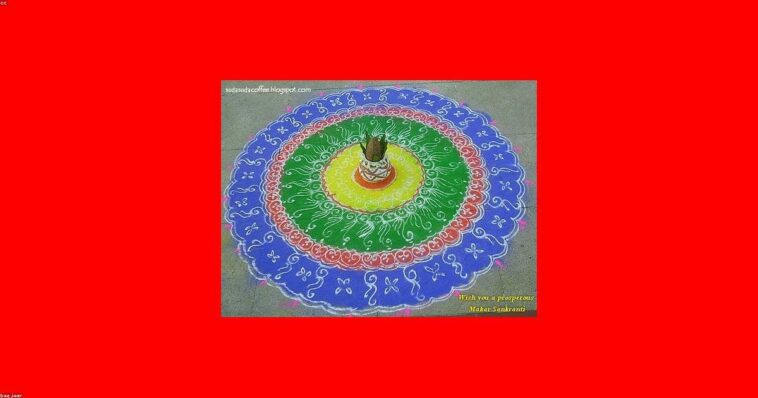
Makar Sankranti, one of India’s most vibrant and widely celebrated harvest festivals, has inspired some of Bollywood’s most memorable and joyous songs. The festival, which marks the sun’s transition into the zodiac sign of Capricorn (Makara) and the beginning of longer days, is celebrated with kite flying, bonfires, traditional sweets, and community gatherings across the country. Over the years, Bollywood has captured the spirit of this celebration through songs that have become inseparable from the festival itself.
Udi Udi Jaye from Raees (2017)
When Shah Rukh Khan danced against the backdrop of thousands of colorful kites in the sky, Udi Udi Jaye became an instant Sankranti anthem. The song from Raees, set in Gujarat where Uttarayan (as Makar Sankranti is known locally) is celebrated with particular enthusiasm, perfectly captured the festival’s energy and excitement. The vibrant choreography, the rooftop setting filled with kite flyers, and the infectious Garba-inspired music created a visual and auditory celebration that remains one of the most-played songs during the festival every year.
The song’s lyrics, which metaphorically compare the heart’s joy to a kite soaring free in the sky, resonated with audiences on both literal and emotional levels. Music directors Ram Sampath and Sukhwinder Singh crafted a composition that blended traditional Gujarati folk music elements with contemporary Bollywood production, creating a song that felt both authentic to the festival’s cultural roots and accessible to a nationwide audience.
Related Reading
Manjha from Kai Po Che (2013)
The film Kai Po Che, whose title literally translates to a kite-flying victory cry, is perhaps the most direct Bollywood tribute to the Makar Sankranti festival. Set in Ahmedabad during the Uttarayan celebrations, the film used the festival as both a backdrop and a metaphor for its themes of friendship, ambition, and the invisible threads that connect people. The song Manjha, with its evocative lyrics about the thread (manjha) that controls the kite, beautifully paralleled the bonds between the film’s three protagonists.
Director Abhishek Kapoor filmed extensive kite-flying sequences that showcased the festival in all its colorful glory. The rooftop scenes, with characters competing in friendly kite battles against a sky filled with thousands of kites, became iconic representations of Uttarayan in popular culture. For many viewers outside Gujarat, these scenes provided their first glimpse of the scale and excitement of the festival’s celebration in western India.
Other Memorable Sankranti Songs
Beyond these two iconic tracks, Bollywood has a rich catalog of songs associated with Makar Sankranti and its regional variations. Songs celebrating Lohri (the Punjabi festival that coincides with Sankranti), Pongal (the Tamil harvest festival), and Bihu (the Assamese harvest celebration) have all found their way into Bollywood films over the decades. Each brings its own regional flavor while sharing the universal themes of harvest, renewal, and community celebration that define this time of year.
The tradition of associating film songs with festivals is deeply rooted in Indian culture. Films strategically release songs tied to upcoming festivals to maximize their cultural relevance and emotional impact. For Makar Sankranti specifically, the visual imagery of kites, bonfires, and community gatherings provides filmmakers with naturally cinematic material that translates beautifully to the big screen.
Makar Sankranti Traditions Across India
The festival is celebrated under different names and with different traditions across India’s diverse regions. In Gujarat and Rajasthan, the international kite festival draws participants from around the world. In Tamil Nadu, Pongal is a four-day celebration featuring the cooking of sweet rice in decorated pots until they overflow, symbolizing abundance. In Punjab, Lohri is celebrated with bonfires, dancing, and singing. In Maharashtra, people exchange tilgul (sesame and jaggery sweets) with the greeting “tilgul ghya, god god bola” (take this sweet and speak sweetly).
These regional variations reflect the incredible diversity of Indian culture while celebrating shared themes of gratitude for the harvest, hope for the coming year, and the importance of community bonds. Bollywood songs about Sankranti help bridge these regional differences by creating shared cultural moments that audiences across the country can enjoy together, regardless of which specific tradition they follow at home.