


 techxly@gmail.com
Look, I’ll be honest — an NHL road trip is more than just watching a hockey game. It’s an epic adventure, a pilgrimage for true fans, and hands down one of the best ways to experience professional sports. This isn’t some dry travel brochure; this is your NHL road trip guide explained in simple terms, from someone who’s actually done it (and probably spent too much money learning the hard way). I’m talking about the roar of a rival crowd, the smell of arena popcorn, and the absolute thrill of exploring a new city, all centered around our favorite sport. Forget the stress; I’m here to give you the lowdown on making it happen without a hitch. Trust me, it’s worth every penny and every mile.
📋 In This Article
- Why an NHL Road Trip is Pure Gold (and How to Pick Your Destination)
- The Nitty-Gritty of Planning: Tickets and Travel Hacks
- Where to Crash: Hotels, Airbnbs, and Local Stays
- Eating Like a Local (and a Fan!): Pre-Game Fuel and City Flavors
- Beyond the Arena: Exploring the City Like a True Tourist (but a Cool One)
- Budgeting Like a Pro: My Wallet-Friendly Hacks
- The Ultimate Fan Experience: Game Day Rituals and Arena Etiquette
- ⭐ Pro Tips
- ❓ FAQ
Why an NHL Road Trip is Pure Gold (and How to Pick Your Destination)
Okay, so you’re thinking about hitting the road for some hockey. Good call! From my experience, there’s nothing quite like seeing your team battle it out in an opponent’s barn. The atmosphere is just different, you know? You get to soak in another city’s hockey culture, witness some truly wild rivalries up close, and honestly, sometimes the away team’s fans are the most passionate ones in the building. For example, catching the Boston Bruins play the Montreal Canadiens at the Bell Centre? Pure electricity. Or maybe seeing the Edmonton Oilers face the Calgary Flames in a Battle of Alberta? Iconic. Don’t just pick a random city; think about the match-up, the history, and the overall vibe you’re chasing. It makes all the difference, trust me. I recently planned a trip for the 2026 season to catch the Vegas Golden Knights in Dallas, and the planning started nearly a year out for the best deals.
Picking Your Perfect Match-Up
When you’re figuring out your NHL road trip, the first thing to nail down is the game itself. Are you trying to see your favorite team play a heated rival? Or maybe you want to cross a new arena off your bucket list? I always check the NHL schedule (usually released in July for the upcoming season) and look for back-to-back games in close cities, like Philadelphia and New York, or Anaheim and Los Angeles. That way, you get more bang for your travel buck. Think about what story you want your trip to tell. Do you want to witness a classic rivalry, or just explore a new city’s hockey scene?
The Thrill Beyond the Game
Look, the hockey is the main event, but a good NHL road trip is about more than just 60 minutes of ice time. You’re visiting a new city! Factor in what else you want to do. If you’re going to Toronto, maybe you want to hit the CN Tower. In Chicago, deep-dish pizza is a must. Planning activities around the game makes the whole experience richer. From my perspective, a solid two to three days in a city gives you enough time to explore without feeling rushed. Don’t underestimate the joy of just wandering around a new place before puck drop.
The Nitty-Gritty of Planning: Tickets and Travel Hacks
Alright, let’s talk brass tacks: getting there and getting in. This is where most people either save a ton of cash or blow their budget. When I’m planning my own trips, I hit up sites like Skyscanner or Google Flights first, usually in incognito mode, to check flight prices about 3-4 months out. For hotels, Booking.com and Expedia often have good bundles. But here’s a tip: sometimes booking flights and hotels separately can actually be cheaper, especially if you’re flexible with your dates. For example, flying on a Tuesday instead of a Friday can shave a hundred bucks off your airfare. Don’t just settle for the first price you see; comparison shop like your life depends on it. I’ve saved hundreds by being a little obsessive about this part.
Snagging Those Sweet Seats
Tickets are often the biggest expense, so be smart. I usually start with the official team website or Ticketmaster first. If those prices are too high, I’ll hit up secondary markets like StubHub, SeatGeek, or Gametime. Pro tip: prices often drop closer to game day, especially a few hours before puck drop, as sellers get desperate. But this is a gamble, so only do it if you’re comfortable with the risk. For high-demand games, buy early. For less popular match-ups or weekday games, you can sometimes find amazing deals last minute. I once got lower-bowl seats for a Columbus Blue Jackets game for under $50 just an hour before face-off!
Getting There Without Breaking the Bank
For travel, consider all your options. Flying is great for long distances, but for shorter hops (say, under 6-8 hours driving), a car can be way cheaper, especially if you’re splitting gas with friends. Amtrak can also be a surprisingly comfortable and affordable option for certain routes, like between East Coast cities. If you do fly, always compare airports. Sometimes flying into a smaller, regional airport near your destination (like Long Beach instead of LAX) can save you a significant amount, even with the cost of an Uber or shuttle into the city. And always, always pack light to avoid those pesky checked baggage fees!
Where to Crash: Hotels, Airbnbs, and Local Stays
Your accommodation can make or break a road trip, both for your comfort and your wallet. I’ve stayed everywhere from fancy downtown hotels to dodgy motels and cozy Airbnbs. My personal preference leans towards Airbnbs these days, especially if I’m traveling with a group. You often get more space, a kitchen to save on food costs, and a more local feel. But honestly, sometimes a hotel is just easier, especially for a quick overnight. When booking, always check the distance to the arena and public transport options. A cheap hotel far away might end up costing you more in Uber fares than a slightly pricier one within walking distance or on a subway line. I always map it out before I commit, because nobody wants a 45-minute commute to the game.
Finding Your Home Away From Home
When it comes to hotels, I always start by filtering for properties with free cancellation. Life happens, and flexibility is key. Look for places that include breakfast — that’s an easy $15-20 per person saved each morning. Hotel chains like Marriott Bonvoy or Hilton Honors can also earn you points for future stays, which is a nice bonus if you travel a lot. For Airbnbs, read the reviews carefully! Pay attention to comments about cleanliness, host responsiveness, and noise levels. Don’t just look at the star rating; dig into what people actually say about their experience. I’ve found some absolute gems and some total duds, and the reviews are usually the best indicator.
Neighborhood Vibes: What to Look For
Choosing the right neighborhood is crucial for your overall experience. Do you want to be right in the thick of the action, close to bars and restaurants? Or are you looking for something quieter and more residential? In cities like Chicago, staying in the Loop puts you near everything, but might be pricier. In Nashville, staying near Broadway is fun, but can be loud. Research the area around the arena. Is it safe to walk at night? Are there good public transport links? Use Google Maps Street View to get a feel for the area before you book. I once stayed in a place that looked great online but was actually on a very busy, noisy street, which wasn’t ideal for sleep.
Eating Like a Local (and a Fan!): Pre-Game Fuel and City Flavors
Okay, let’s talk food. Because what’s a road trip without some epic eats? You can’t just survive on arena hot dogs (though, let’s be real, a good arena dog hits different). I always make a point to research local spots near the arena for pre-game grub. Think about places that have a good vibe, maybe some local craft beers, and won’t break the bank. Yelp and Google Reviews are your best friends here. And don’t forget the post-game snack! Some cities have legendary late-night eats that are an absolute must-try. For instance, in Montreal, you *have* to get poutine. In Buffalo, it’s all about the wings. These culinary adventures are just as much a part of the trip as the game itself, in my opinion. It’s part of soaking up the local culture.
Pre-Game Bites and Brews
Before you head into the arena, you absolutely need to fuel up. Many arenas are surrounded by sports bars and pubs that get absolutely buzzing on game day. These are fantastic for soaking in the pre-game atmosphere, grabbing a beer, and maybe a burger or some wings. I always look for places with good happy hour deals or daily specials. Check out local forums or Reddit’s r/hockey for recommendations specific to the arena you’re visiting – fans always know the best spots. It’s a great way to save a few bucks compared to arena prices, and you get a more authentic local experience before the puck drops.
Must-Try Local Delicacies
This is where your taste buds go on their own road trip! Every city has its signature dishes. In Detroit, you’ve got Coney dogs. In St. Louis, it’s toasted ravioli. Don’t be afraid to venture a little outside the immediate arena area to find these culinary gems. Ask locals for their favorite spots – baristas, hotel staff, even your Uber driver can give you fantastic recommendations that aren’t in every tourist guide. I always try to pick one or two iconic local foods to sample; it really rounds out the cultural experience of visiting a new place. It’s part of the fun, honestly.
Beyond the Arena: Exploring the City Like a True Tourist (but a Cool One)
So, you’ve seen the game, eaten the food, and maybe even yelled yourself hoarse. Now what? This is where you actually get to explore the city! Don’t just fly in, watch hockey, and fly out. That’s a rookie mistake. Every NHL city has something unique to offer, whether it’s historical sites, cool museums, or just awesome neighborhoods to wander through. Take a day, or even just a few hours, to be a proper tourist. In Washington D.C., you can hit up the Smithsonian museums (many are free!). In Denver, maybe a quick trip to the mountains. It adds so much depth to your trip and gives you stories beyond just the score of the game. I always plan at least one non-hockey activity, even if it’s just finding the best local coffee shop.
Iconic Sights and Sounds
Before you even leave home, do a quick Google search for ‘Things to do in [City Name]’. Prioritize what truly interests you. If you’re into history, find a local walking tour. Art lover? Check out the galleries. Many cities have fantastic public parks or waterfront areas perfect for a relaxed stroll. You don’t need to spend a fortune either; a lot of major attractions offer free admission on certain days or have cheaper ‘off-peak’ hours. My advice? Pick one or two major things you absolutely want to see, and then let the rest of your exploration be a bit more spontaneous. That’s where the real unexpected gems are found.
Souvenirs That Don’t Suck
Forget the cheesy keychains and overpriced arena jerseys (unless you really want one!). When I’m looking for souvenirs, I try to find something unique to the city that also reflects my trip. Maybe it’s a piece of local art, a specific brand of coffee from a local roaster, or even just a cool t-shirt from a non-touristy shop. Farmers’ markets are often great places to find authentic local goods. These kinds of souvenirs actually tell a story when you get home, rather than just collecting dust. Plus, supporting local businesses is always a win-win, and you might find something truly special.
Budgeting Like a Pro: My Wallet-Friendly Hacks
Let’s be real, an NHL road trip can get pricey if you’re not careful. But it doesn’t have to break the bank! I’ve learned a few tricks over the years to keep costs down without feeling like I’m missing out. The biggest one? Planning ahead. Spontaneity is fun, but it usually comes with a higher price tag. Setting a daily budget for food, activities, and incidentals is a game-changer. I usually aim for around $75-$100 USD per person per day for food and entertainment, not including tickets or accommodation. And remember, every dollar saved on one thing means more cash for another, like an extra souvenir or a better meal. Don’t forget to factor in transportation within the city – public transit is almost always cheaper than constant Ubers.
Smart Spending on the Road
One of my go-to moves is to buy snacks and drinks from a local grocery store or convenience store instead of relying on hotel mini-bars or arena vendors. A case of water and some granola bars can save you $20 a day. For meals, look for lunch specials at nicer restaurants; you often get the same great food for half the price. If you’re with a group, sharing appetizers or even splitting main courses can cut down on costs. And honestly, sometimes a delicious food truck meal is way more memorable than an overpriced sit-down dinner. It’s all about making smart choices without feeling deprived, trust me.
Unexpected Costs to Watch Out For
There are always hidden fees that can sneak up on you. Parking, for one, can be outrageous around arenas – sometimes $40-$60 for a game! Factor that in, or better yet, use public transportation. Resort fees at hotels are another notorious culprit, often adding $20-$50 per night. Always check the fine print when booking. And don’t forget about tips for service staff, especially in the US. A good rule of thumb is to set aside an extra 10-15% of your total budget just for unexpected expenses or splurges. Better to have it and not need it than need it and not have it, right?
The Ultimate Fan Experience: Game Day Rituals and Arena Etiquette
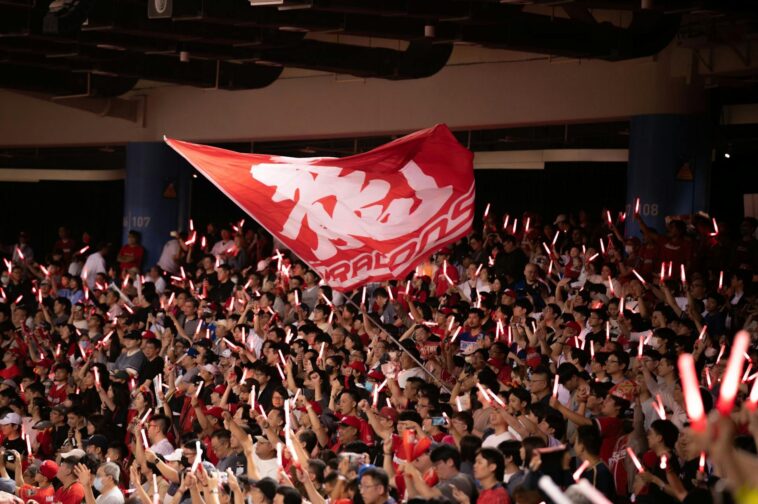
Game day is a whole vibe, and you want to be ready for it. Every arena has its own little quirks and traditions. Some have pre-game festivals outside, others have specific chants that everyone knows. Do a quick search for ‘[Arena Name] game day experience’ to get a feel for what to expect. Arrive early! I always aim to be at the arena at least an hour before puck drop. This gives you time to find your seats, grab a drink, check out the team store (if that’s your thing), and just soak in the atmosphere as the crowd rolls in. Plus, you get to watch the warm-ups, which is always cool. And remember, even if you’re cheering for the away team, be respectful. A little friendly banter is fine, but nobody likes a jerk. It’s all part of being a good fan, whether you’re home or away.
Embracing Local Fan Culture
Every team has its unique fan culture, and it’s awesome to experience it firsthand. Whether it’s the ‘Let’s Go Caps!’ chant in Washington, the ‘Olé, Olé, Olé’ in Montreal, or the ‘C of Red’ in Calgary, these traditions are part of what makes each arena special. Don’t be afraid to ask a local fan about their team’s rituals; most are happy to share. I’ve found that engaging respectfully with opposing fans often leads to some great conversations and shared love for the game, even if you’re rooting for different teams. It makes the whole experience so much richer than just sitting silently in your seat.
Before you even step foot inside, check the arena’s bag policy. Many have strict rules about what you can bring in, and you don’t want to get turned away. Also, familiarize yourself with the layout — where are the restrooms, concession stands, and exits? Most arenas have apps now that provide maps and even allow mobile ordering for food, which can save you a ton of time waiting in line. And seriously, don’t miss the warm-ups! Seeing the players fly around the ice up close before the game is a real treat, especially if you’re in the lower bowl. It’s a great way to kick off the excitement.
⭐ Pro Tips
- Always check the NHL schedule for back-to-back games in close cities (e.g., New York Rangers and New Jersey Devils) to maximize your trip and save on travel.
- Book flights and hotels about 3-4 months in advance for the best prices, and use incognito mode when searching to avoid dynamic pricing hikes. I’ve seen prices jump 15-20% otherwise.
- Consider booking an Airbnb with a kitchen. Cooking even one or two meals can save you $50-$100 on food costs, especially for breakfast or a quick dinner.
- For tickets, if you’re feeling adventurous, check StubHub or SeatGeek an hour or two before puck drop. Prices often drop dramatically as sellers offload unsold seats.
- The single biggest game-changer for me was investing in a good portable power bank. You’ll be using your phone for tickets, maps, and photos constantly, and you don’t want it dying mid-trip.
Frequently Asked Questions
How much does an NHL road trip cost for 2 people?
For two people, a typical 3-day, 1-game NHL road trip can run anywhere from $1000-$2500 USD, depending on the city, flight distance, and your splurge level. Budget around $300-$800 for flights, $300-$600 for hotels, $200-$500 for tickets, and $200-$600 for food/activities.
What’s the best way to find cheap NHL tickets?
The best way is to be flexible. Check official team sites first, then compare with StubHub, SeatGeek, and Gametime. Weekday games, less popular matchups, and buying last-minute (if you’re a risk-taker) often yield the cheapest tickets. Avoid rivalry games for budget trips.
Is an NHL road trip actually worth the money?
Absolutely, yes! From my perspective, an NHL road trip is 100% worth it. It’s not just about the hockey; it’s about the adventure, exploring a new city, and creating unforgettable memories with friends or family. It’s an experience you’ll talk about for years.
What are the best NHL arenas for a road trip?
For atmosphere and city experience, I’d say Bell Centre (Montreal), T-Mobile Arena (Vegas), United Center (Chicago), and Bridgestone Arena (Nashville) are top-tier. They offer great hockey and vibrant cities to explore, making for a fantastic overall trip.
How many games should I plan for an NHL road trip?
For your first NHL road trip, I’d recommend planning for one game over a 2-3 day trip. This gives you plenty of time to enjoy the game without feeling rushed, plus explore the city. If you’re hitting multiple cities, 2 games across 4-5 days is a good balance.
Final Thoughts
So there you have it – my no-nonsense NHL road trip guide explained in simple terms. Planning one of these adventures doesn’t have to be overwhelming, and honestly, the payoff is huge. You get to see incredible hockey, explore new places, and make memories that’ll last a lifetime. Don’t overthink it, just start with picking that dream game, then nail down your travel and accommodation. Remember to budget smart, eat like a local, and soak in every single moment of the experience. It’s an absolute blast, and I promise you’ll be planning your next one before you even get home. Go on, get out there and chase that puck!