


 techxly@gmail.com
Okay, so you’re finally thinking about hitting the open road for some live hockey action? An NHL road trip is seriously one of the best experiences a fan can have, but look, for beginners, it can feel a little daunting. I remember my first time trying to plan one – I was drowning in ticket sites, hotel options, and figuring out how to even *get* to the arena. It’s a lot, right? But trust me, it’s worth every single minute. I’ve done a few of these now, from hitting up the Bell Centre in Montreal to seeing the Lightning play in Tampa, and I’ve picked up some killer nhl road trip guide tips and advice for beginners along the way. I’m talking about the stuff nobody really tells you until you’re already there, making rookie mistakes. So, let’s get you ready to cheer your heart out, without breaking the bank or your sanity.
📋 In This Article
- Picking Your Perfect Game: When to Go & Where to Aim
- Budgeting Like a Pro: Where Your Money’s REALLY Going
- Getting There & Getting Around: Your Transportation Game Plan
- The Game Day Experience: From Puck Drop to Post-Game Beers
- Beyond the Ice: Exploring Your Host City Like a Local
- Packing Smart: Don’t Forget the Essentials (and Some Fun Stuff)
- ⭐ Pro Tips
- ❓ FAQ
Picking Your Perfect Game: When to Go & Where to Aim
Look, the first rule of an NHL road trip is picking the right game. You don’t just want *a* game; you want *the* game. I honestly think hitting up a rivalry game is always the move – think Bruins vs. Canadiens, or Leafs vs. Red Wings. The atmosphere is just electric, something you won’t get from a random Tuesday night match-up against a non-conference team. But here’s the thing about those: tickets are pricier, sometimes way pricier, so be ready for that. I’ve seen tickets for a Leafs-Habs game at the Bell Centre go for upwards of $300 USD for a decent lower bowl seat, while a regular season game against, say, the San Jose Sharks, might be $80-$120. Timing matters too. Early season games (October/November) can be a bit more chill, but by March, when teams are fighting for playoff spots, every game feels like Game 7. And honestly, that’s when it’s most fun.
Related Reading
Scouting the Schedule for Must-See Matchups
You’ll want to check the NHL schedule as soon as it drops, usually in July. Look for back-to-back games in cities that are reasonably close, like Philadelphia and New York, or Anaheim and Los Angeles. That way, you can catch two games with minimal travel time between them. I always circle the dates for my favorite team’s away games against rivals first. You’re trying to maximize your hockey fix, right?
Team Choice: Big Market vs. Underdog Vibes
Consider which teams you want to see. Big market teams like the Toronto Maple Leafs, Boston Bruins, or New York Rangers usually mean higher ticket prices and bigger crowds. But if you’re looking for a more affordable experience, maybe check out teams like the Columbus Blue Jackets or Arizona Coyotes. Their tickets are often easier to snag for under $100 and the arenas are still awesome. I personally love the energy of a huge crowd, but I won’t lie, those cheaper tickets hit different.
Budgeting Like a Pro: Where Your Money’s REALLY Going
Okay, let’s talk brass tacks: money. An NHL road trip isn’t a cheap weekend at the movies, but it doesn’t have to bankrupt you either. I’ve seen people blow hundreds on unnecessary stuff, and I’ve also seen folks do it on a surprisingly tight budget. Your biggest costs are gonna be tickets, travel (gas/flights), and accommodation. Food and souvenirs can add up fast, too. A good rule of thumb? Budget at least $200-$300 *per person per day* if you’re doing it right, not including major flights. That might sound like a lot, but a decent hotel room can be $150-$250 a night, game tickets can be $100-$200, and arena food? Forget about it. I once paid $18 for a single beer at Madison Square Garden. You’ve gotta factor that stuff in. Seriously, track every penny for a bit before you go.
Snagging Deals on Game Tickets (and Avoiding Scams)
For tickets, always start with the official team website or NHL Ticketmaster. For resales, I swear by StubHub and SeatGeek. They’re reliable, and I’ve found some killer last-minute deals there, especially a few hours before puck drop if a game isn’t sold out. Avoid sketchy sites or social media sellers; it’s just not worth the risk of showing up with fake tickets. I usually set a price alert on SeatGeek for games I’m watching.
Savvy Accommodation & Travel Hacks
Hotels can be a huge chunk of your budget. I always look for hotels a little outside the immediate downtown core, but still on a public transport line. You’ll save $50-$100 a night easily. Check out Marriott Bonvoy or Hilton Honors for loyalty points if you travel often. If you’re driving, use apps like GasBuddy to find the cheapest gas. Flying? Set price alerts on Google Flights months in advance. And for car rentals, I’ve had good luck with Enterprise for decent rates and service.
Getting There & Getting Around: Your Transportation Game Plan
Okay, so you’ve got your games and a budget. Now, how are you actually getting to this hockey mecca? This is where a lot of beginners trip up. Are you flying? Driving? Taking a train? Each has its pros and cons, obviously. If you’re hitting up a few cities on the East Coast, driving might be more cost-effective and give you flexibility. But if you’re flying from, say, London to New York, then obviously a plane is your only real option. Once you’re in the city, don’t even *think* about driving to the arena unless you’ve got a pre-paid parking spot. Parking is usually a nightmare and incredibly expensive, often $40-$60 near the venue. Trust me, I learned that the hard way at the Scotiabank Arena in Toronto.
Public transportation is your best friend in most NHL cities. Major cities like Toronto (TTC), Montreal (STM), or New York (MTA) have excellent subway or bus systems that drop you right near the arena. Buy a day pass or a multi-day pass if you’re staying a while; it’s way cheaper than multiple Uber rides. I always download the local transit app before I even leave home. It’s a game-changer for getting around without stress.
Rental Cars: When They’re Worth It (and When They’re Not)
A rental car is great if you’re planning to explore outside the main city center or if your road trip involves multiple cities that aren’t well-connected by train. But if you’re just staying in one major city and hitting the arena, it’s probably an unnecessary expense. Factor in daily rental fees (around $50-$100), insurance, and parking costs. I’d say skip it unless you have a specific need for the flexibility it offers.
The Game Day Experience: From Puck Drop to Post-Game Beers
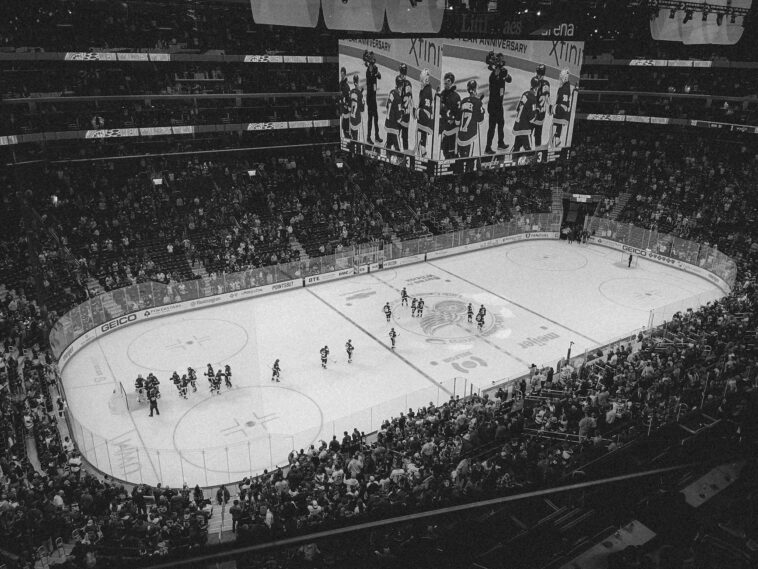
This is it, the main event! Game day is sacred, and you want to soak up every single second. Don’t be that person who shows up five minutes before puck drop. Get there early! I’m talking at least an hour before. You want time to walk around, check out the team store (warning: merch is expensive, a jersey can be $150-$250), grab some food, and just feel the buzz building. Every arena has its own vibe, and that’s part of the fun. The Bell Centre in Montreal? Insane energy. Bridgestone Arena in Nashville? A party. Don’t be afraid to talk to other fans – hockey fans are generally super friendly, especially if you’re rocking some team gear. And honestly, the food inside can be overpriced but sometimes it’s part of the experience. I usually grab one arena hot dog, because, well, tradition.
Arena Etiquette & Fan Interaction
Cheer loud for your team, but be respectful of the home crowd. Don’t be *that* obnoxious away fan, you know what I mean? If you’re wearing an opposing jersey, expect some good-natured (usually) ribbing. Stand for goals, sit during play, and don’t block anyone’s view. It’s common sense, but some people forget. Also, if you’re near the glass during warm-ups, you might snag a puck! Keep your eyes peeled.
Fueling Up: Best (and Worst) Arena Food Choices
Okay, so arena food. It’s expensive. A lot of it isn’t great. But some arenas have stepped up their game. I’ve had surprisingly good BBQ at some Southern arenas. My advice? Grab one iconic arena snack (like a pretzel or hot dog) for the experience, but maybe eat a more substantial, cheaper meal *before* you go in. A $15 beer is one thing, but a $20 mediocre burger is just sad. You’ll thank me later for this money-saving tip.
Beyond the Ice: Exploring Your Host City Like a Local
An NHL road trip isn’t *just* about the hockey, right? It’s about seeing a new city, soaking in the culture, and making a full adventure out of it. Don’t spend all your non-game time cooped up in your hotel room! I always try to carve out at least half a day to hit up a local landmark or two. Whether it’s the CN Tower in Toronto, the Liberty Bell in Philly, or the Grand Ole Opry in Nashville, make time for something unique. This is where your public transport knowledge (or comfy walking shoes) comes in handy. It’s a fantastic way to break up the hockey intensity and remember that you’re actually on vacation. And honestly, some of my best road trip memories are from wandering through a new city’s neighborhoods, not just from the games themselves.
Finding the Best Local Eats (Beyond the Arena)
This is crucial. Skip the chain restaurants you can find anywhere. Ask locals for their favorite spots, or hit up Yelp/Google Maps for highly-rated independent restaurants. I always look for places with a unique local dish. Poutine in Montreal? Cheesesteak in Philly? You’ve gotta try the regional specialties. It’s usually cheaper and way more delicious than anything near the tourist traps. Plus, it’s a great way to experience the city’s true flavor.
Discovering Hidden Gems & Off-the-Beaten-Path Spots
Sure, see the big attractions, but also try to find something a little less touristy. Maybe it’s a cool independent bookstore, a quirky museum, or a local park with stunning views. I’ve found some amazing craft breweries and coffee shops just by wandering a few blocks away from the main drag. These are the places that make a city feel truly special and give you stories that aren’t just about the game score. Check out local blogs or Reddit threads for recommendations.
Packing Smart: Don’t Forget the Essentials (and Some Fun Stuff)
Okay, so you’re ready to go, but what do you actually *pack* for an NHL road trip? This isn’t just a regular vacation. You’re going to a hockey game, which means it can get chilly in the arena, even if it’s warm outside. Layers are your best friend, trust me on this. I made the mistake once of wearing just a t-shirt to a game in Boston in April, and I was freezing by the third period. You’ll also want comfortable shoes for all that walking around the city and the arena. And don’t forget your phone charger, portable power bank, and a good camera (if you’re not just using your phone). I always throw in a small backpack or fanny pack for easy access to tickets, wallet, and phone inside the arena. It just makes things easier.
Clothing for All Arena Conditions
Think layers! A t-shirt, a long-sleeved shirt, and a hoodie or light jacket are perfect. You can always shed a layer if you get too warm, but you can’t conjure one out of thin air if you’re cold. Your team jersey goes over all of it, of course. And seriously, wear comfy shoes. You’ll be walking more than you think, both in the city and inside those massive arenas. I swear by my trusty Adidas Ultraboosts.
Beyond Clothes: Must-Have Gadgets & Gear
A portable phone charger (like an Anker PowerCore 10000mAh) is non-negotiable. You’ll be using your phone for tickets, navigation, photos, and maybe even checking scores from other games. Earbuds are great for travel days. Don’t forget any prescription meds, and a small first-aid kit with pain relievers. And a clear bag if the arena has a strict bag policy (many do, check the arena’s website before you go!).
⭐ Pro Tips
- Always check the arena’s bag policy BEFORE you leave your hotel. Many only allow clear bags or small clutches (e.g., 12″x6″x12″ clear bag or 4.5″x6.5″ clutch). It’ll save you a trip back to the car or a locker rental.
- For cheaper food and drinks, find a local pub or sports bar within a 10-15 minute walk of the arena. Grab a pre-game beer for $7-8 instead of $15 inside. You’ll save at least $20-30 per person.
- Go during a weekday game if possible. Tuesday or Thursday games are often less crowded and tickets can be $20-50 cheaper than weekend games, especially for non-rivalry matchups.
- The biggest mistake beginners make? Not planning for public transit. Trying to navigate unfamiliar city traffic and expensive parking right before a game is a nightmare. Map out your subway/bus route days in advance.
- The one thing that made the biggest difference for me was joining hotel loyalty programs (like Marriott Bonvoy). The free Wi-Fi, late check-out, and occasional room upgrades are invaluable on a longer trip.
Frequently Asked Questions
How much does an NHL road trip cost for a beginner?
For a solo beginner, expect to spend $500-$1000 for a 2-day, 1-game trip, including travel, tickets, and accommodation. This can easily double or triple for longer trips or multiple games, especially with flights and premium seats. Budget carefully!
What’s the best time of year for an NHL road trip?
Late October to early December is great for beginners; games are exciting but not peak playoff intensity, and ticket prices are often more reasonable. March is also fantastic for high-stakes games, but prices will be higher.
Is an NHL road trip actually worth it for a casual fan?
Absolutely, it’s 100% worth it! Even for a casual fan, the atmosphere, the speed of the game live, and exploring a new city make for an unforgettable experience. It’s way better than watching on TV, trust me.
Which NHL city is best for a first-time road trip?
Montreal (Bell Centre) or Toronto (Scotiabank Arena) are fantastic choices. They have passionate fan bases, great arenas, and plenty of city attractions. For a more budget-friendly option, consider Nashville (Bridgestone Arena) for its lively vibe.
How far in advance should I book an NHL road trip?
I’d say at least 2-3 months in advance, especially for flights and hotels, to get the best prices. For tickets, you can sometimes snag last-minute deals, but for popular games, buy them 1-2 months out to secure good seats.
Final Thoughts
So, there you have it – my no-holds-barred take on planning your first NHL road trip. It’s not just about watching a game; it’s about the entire adventure, from the planning stages to the last cheer in the arena. Don’t let the details overwhelm you. Take these nhl road trip guide tips and advice for beginners, plan smart, and honestly, just go for it. You’re going to make some incredible memories, see some amazing hockey, and probably discover a new favorite city along the way. Get those jerseys ready, fire up your favorite team’s playlist, and start dreaming up your perfect hockey getaway. It’s an experience every true fan deserves, and I promise, you won’t regret it. Now go get those tickets!