



 techxly@gmail.com
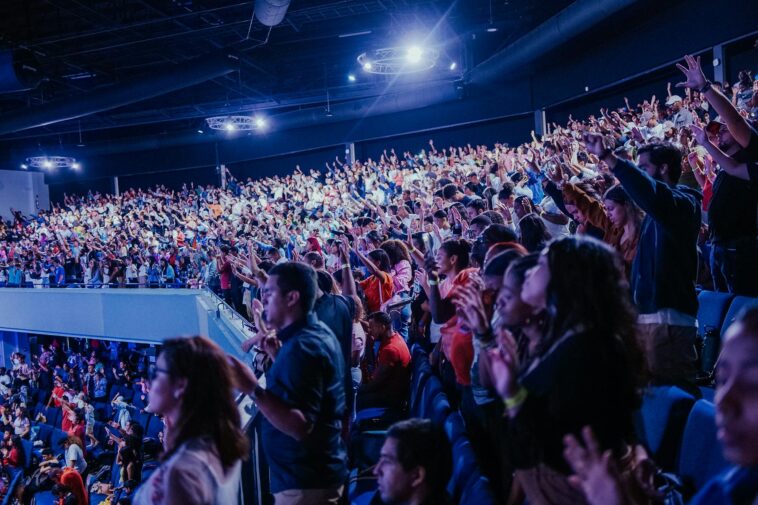
Okay, so I’ve done it. I’ve been there, screamed till my voice gave out, and eaten questionable arena hot dogs across two countries. And trust me, there’s nothing, absolutely nothing, quite like an NHL road trip. It’s not just about the game; it’s the whole vibe – the journey, the new cities, the camaraderie with fellow fans. If you’re looking for an NHL road trip guide explained in simple terms, you’ve hit the jackpot. I’m talking real-world advice, the stuff nobody tells you until you’re already stuck paying surge pricing. Forget those boring itineraries; we’re planning an epic hockey adventure for 2026, and I’m gonna tell you exactly how to pull it off without breaking the bank or losing your mind. Get ready to chant, because your next hockey pilgrimage is just around the corner!
📋 In This Article
- Picking Your Perfect Route: The Art of the Hockey Pilgrimage
- Cracking the Ticket Code: Don’t Get Gouged!
- Where to Crash: Hotels, Airbnbs, and Saving Your Pennies
- Eating Like a Champ (Without Emptying Your Wallet)
- Packing Smart & Staying Connected: Your Road Trip Essentials
- Beyond the Puck Drop: Exploring the Hockey City Vibe
- ⭐ Pro Tips
- ❓ FAQ
Picking Your Perfect Route: The Art of the Hockey Pilgrimage
Look, the first thing you gotta do for your NHL road trip is figure out where you’re even going. Are you chasing rivalries, specific arenas, or just good weather? I’m telling you, trying to hit three games in four nights across different time zones is a recipe for disaster. My personal rule? Pick a cluster of teams within a reasonable driving distance – think the California teams (Kings, Ducks, Sharks) or the Northeast corridor (Rangers, Islanders, Devils, Flyers, Bruins). It makes so much more sense logistically. And honestly, it saves your sanity. You’ll spend less on gas, less time in airports, and more time actually enjoying the cities. I once tried to do a Vancouver-Calgary-Edmonton run in a week, and I swear, I still have whiplash from all the driving. Don’t be me. Plan smart.
The Rivalry Route: High Stakes, High Energy
If you’re all about that drama, target cities with major rivalries. Think Boston vs. Montreal, or the Battle of Alberta. You’ll pay more for tickets, for sure, but the atmosphere? Unbeatable. I mean, watching the Leafs play the Bruins in Boston is a religious experience, even if you’re not a fan of either team. You just feel the history, you know? It’s intense, it’s loud, and you’ll remember it forever. Prepare for passionate fans and maybe a few choice words being exchanged.
The ‘New Arena’ Quest: Check Off Those Buckets
Maybe you’re like me and you want to see all the cool new buildings. The Climate Pledge Arena in Seattle? Incredible. The new UBS Arena for the Islanders? Sleek. So, research the newer arenas and build your trip around those. It’s a different kind of experience – usually better food, better tech, and way more comfortable seats. Plus, you get to say you’ve seen the future of hockey venues, which is pretty cool bragging rights, if you ask me.
Cracking the Ticket Code: Don’t Get Gouged!
Okay, real talk about tickets: this is where most people get absolutely fleeced. You can’t just show up expecting to get a good deal, especially for popular teams or weekend games in 2026. Prime example: a decent lower-bowl seat for a Saturday night Leafs game in Toronto? You’re looking at easily $250-$400 USD on the secondary market. Forget face value. My strategy? Always check the official team box office first, even for sold-out games, sometimes they release last-minute seats. Then, hit up reliable secondary markets like Ticketmaster’s resale platform or StubHub. I’ve had decent luck with SeatGeek too, but always compare prices across a few sites. Avoid those sketchy guys outside the arena, seriously. That’s a rookie mistake.
When to Buy: Timing is Everything
For bigger games, buy early. Like, months early. As soon as the schedule drops for the 2026-2027 season, if you know your dates, snag those tickets. For less popular teams or weekday games, you can sometimes wait until the day of. Prices often drop a few hours before puck drop on StubHub if there’s still inventory. It’s a gamble, but I’ve saved 30-40% doing this for a mid-week Coyotes game.
The Power of the Pre-Season & Early Season
Honestly, if you’re just looking for the arena experience without the insane price tag, consider a pre-season game or an early-season match-up against a less-hyped opponent. Tickets are significantly cheaper – sometimes under $50 USD for great seats. It’s still NHL hockey, the atmosphere is still fun, and your wallet will thank you. Plus, you might catch a glimpse of some future stars before they blow up.
Where to Crash: Hotels, Airbnbs, and Saving Your Pennies
After you’ve sorted your route and your tickets, where are you gonna rest your head? This is another big chunk of your budget, so you gotta be smart. Hotels right downtown, especially in major cities like New York or Vegas, are gonna cost you a pretty penny – easily $300-$500+ a night. My go-to move is usually an Airbnb a little outside the immediate downtown core, but still with good public transport links. You can often find a whole apartment for less than a tiny hotel room, and you’ll get a kitchen, which is a game-changer for saving money on food. Or, if you’re really trying to pinch pennies, look for hotels a 20-30 minute drive out and factor in ride-share costs. Just make sure you’re not in a sketchy area, obviously.
Public Transport is Your Best Friend
Seriously, learn the local public transport system. Parking at arenas? Forget about it. It’s usually expensive (like $40-$60 USD in some cities) and a total nightmare. Many arenas are built with subway or light rail access in mind. A day pass on the TTC in Toronto or the MTA in New York is way cheaper and less stressful than driving and parking. Trust me, I’ve spent too many hours circling blocks looking for a spot.
Consider Extended Stay Hotels for Longer Trips
If your NHL road trip is more than a couple of nights in one city, look into extended stay hotels like Residence Inn or Homewood Suites. They often have kitchenettes and sometimes even free breakfast. It’s not the most glamorous, but having a fridge and microwave lets you buy groceries and avoid eating out for every single meal. That can save you hundreds over a week, easily.
Eating Like a Champ (Without Emptying Your Wallet)
Okay, I love arena food as much as the next guy – those giant pretzels, the loaded nachos, that ridiculously overpriced beer – but you can’t live on it. Your wallet will weep. A beer at an NHL game in 2026 can run you $15-$20 USD. A hot dog? $8-$12. So, what’s my secret? Hit up local diners, food trucks, or grocery stores. I always try to find a highly-rated local spot for one good meal a day, then keep it simple for the others. Grab some snacks, drinks, and maybe even sandwich fixings from a local supermarket like Kroger, Safeway, or Walmart. It makes a huge difference. And honestly, discovering a killer local taco joint or a mom-and-pop pizza place is part of the road trip adventure, right?
Pre-Game Grub: Fuel Up Outside the Arena
Before you even step foot inside the arena, grab a good meal. There are usually plenty of restaurants and bars within walking distance that offer better quality and prices than anything inside. Plus, it’s a great way to soak up the local pre-game atmosphere. You’ll find other fans, maybe even some rival jerseys, and get hyped for the puck drop. It’s part of the ritual for me now.
Pack Your Own Snacks (Where Allowed)
Check the arena’s bag policy, but many allow you to bring in small, sealed snacks like granola bars, chips, or even a sealed water bottle. This is a huge money-saver. I’m not saying sneak in a whole picnic, but having a few emergency snacks means you won’t be tempted by that $9 bag of peanuts when hunger strikes in the third period. Every little bit helps, especially on a longer trip.
Packing Smart & Staying Connected: Your Road Trip Essentials
You’d think packing for a hockey trip would be easy, but it’s not just about throwing in your favorite jersey. You need layers, especially if you’re hitting arenas in colder climates or just know you get chilly in those air-conditioned buildings. I always bring a light jacket or a hoodie, even if it’s 70 degrees outside. And for staying connected? Don’t rely solely on arena Wi-Fi; it’s notoriously spotty. Make sure your phone plan has good data coverage, maybe even consider a portable Wi-Fi hotspot if you’re working on the go. Charging banks are non-negotiable – you’ll be taking photos, checking scores, and navigating, so your battery will drain fast. I swear by my Anker PowerCore 20000; it’s saved me countless times.
The Right Gear: Layers, Jerseys, and Fan Swag
Bring your team’s jersey, obviously! But also pack layers. Arenas can be surprisingly cold. A comfortable pair of walking shoes is crucial too, because you’ll be doing a lot of exploring. And don’t forget a small, clear bag if the arena has a strict bag policy – many do these days, and you don’t want to get turned away at the gate. Check the arena’s website before you go.
Staying Charged: Power Banks and Car Chargers
Your phone is your map, your ticket holder, your camera, and your connection to the outside world. A portable power bank is absolutely essential. Get one with at least 10,000mAh. A good car charger is also a lifesaver if you’re driving long distances between cities. You don’t want to be stuck in an unfamiliar city with a dead phone, trust me on that one. It’s a nightmare.
Beyond the Puck Drop: Exploring the Hockey City Vibe
Look, an NHL road trip isn’t just about the 60 minutes of regulation. It’s about soaking up the city’s hockey culture. Does the team have a cool Hall of Fame or a dedicated museum? Check it out! Are there sports bars known for their pre-game atmosphere? Get in there and rub shoulders with the locals. I always try to find a local dive bar near the arena. You get the real feel of the city and hear some hilarious (and sometimes tragic) fan stories. It adds so much to the experience. Don’t just fly in, see the game, and fly out. That’s a waste! Embrace the full hockey immersion, even if it means checking out a local junior hockey game or just walking around the team store. It’s all part of the fun.
Visit Local Hockey Landmarks
Many hockey cities have statues, historic rinks, or team-specific museums. In Toronto, the Hockey Hall of Fame is a must-see. In Montreal, the Bell Centre has some incredible history. Do a quick Google search for ‘hockey landmarks [city name]’ and see what pops up. It’s a great way to fill your non-game days and deepen your appreciation for the sport’s history.
Engage with Local Fans (Carefully!)
One of the best parts of a road trip is meeting other fans. Strike up conversations at bars, in line for merch, or even on public transport. You’ll get local insights, maybe some friendly banter (especially if you’re wearing rival colors), and potentially make some new friends. Just, you know, read the room. Don’t go instigating fights, but a little friendly trash talk is all part of the fun of being a traveling fan.
⭐ Pro Tips
- Always check the arena’s bag policy and prohibited items list online BEFORE you leave your hotel. Saves so much hassle.
- For gas, use apps like GasBuddy to find the cheapest fuel stops along your route. You can save $0.10-$0.20 per gallon easily.
- Consider booking a hotel with free cancellation. Prices can fluctuate, and you might find a better deal closer to your trip date.
- Don’t wear rival team colors if you’re in a section notoriously known for rowdy home fans. It’s just asking for trouble, honestly.
- Buy a souvenir puck from each arena you visit. It’s a small, cheap memento that’s easy to pack and makes a great collection.
Frequently Asked Questions
What’s the best time of year for an NHL road trip?
Honestly, late October to early December is great. The weather isn’t usually too extreme, and ticket prices haven’t fully peaked for playoff pushes yet. Avoid spring if you hate crowds.
How much does an average NHL road trip cost for a few games?
For 3 games over 4-5 days, expect to spend $1,000-$2,500 USD per person. This covers mid-range tickets, hotel, gas/transport, and food. It can be lower with aggressive budgeting, or much higher for premium experiences.
Is doing an NHL road trip by yourself worth it?
Absolutely! I’ve done it, and it’s fantastic. You’re on your own schedule, can splurge or save as you please, and meet tons of new people. Don’t let going solo stop you.
What’s the best app for buying NHL tickets last minute?
I’ve had the most consistent luck with StubHub and SeatGeek for last-minute deals. Prices often drop significantly in the final hours before puck drop, especially for less popular games.
How many games can you realistically see on a 5-day NHL road trip?
You can comfortably see 2-3 games in 5 days if you stick to cities that are close together. Pushing for 4+ games usually means too much travel and not enough enjoyment.
Final Thoughts
So there you have it, my no-BS NHL road trip guide for 2026. This isn’t just about watching hockey; it’s about experiencing the vibrant culture, the roar of the crowd, and the unique energy each city brings to the game. It’s an investment, sure, but the memories? Totally priceless. Don’t overthink it, but definitely don’t under-plan either. Pick your teams, snag those tickets, and hit the road. You’ll thank me when you’re screaming your head off in a packed arena, surrounded by thousands of equally obsessed fans. Go make some unforgettable hockey memories. And hey, maybe I’ll see you out there!