



 techxly@gmail.com
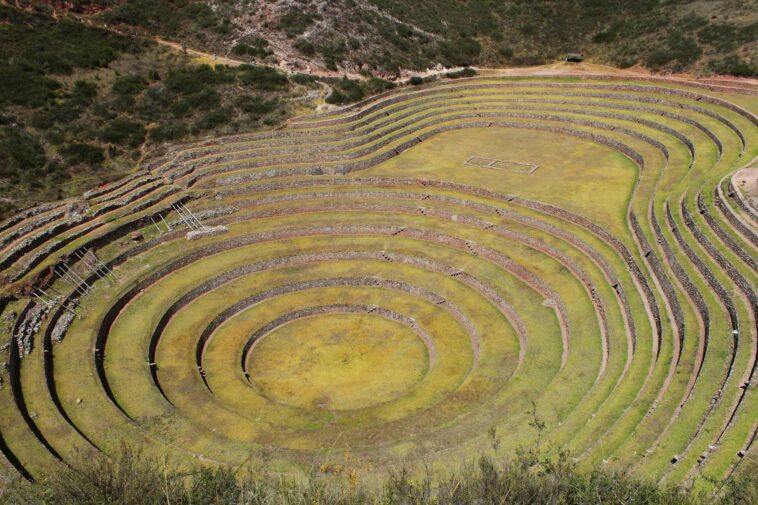
Okay, so I know what you’re thinking: ‘Sustainable cultural tourism awards? What’s an entertainment blogger doing talking about *that*?’ But hear me out! In a world where everyone’s chasing the next viral travel spot (thanks, TikTok!), these 2026 Destination of Sustainable Cultural Tourism Awards are actually a pretty big deal. They’re like the Oscars for places that genuinely care about their heritage and the planet, not just how many selfies you can snap. Look, I’m always on the hunt for my next big adventure, and let’s be real, nobody wants to show up to a ‘cultural hotspot’ only to find it’s been totally ruined by overtourism. That’s why I’m giving my honest review on what these awards mean, and if they really help us find those truly special, responsible destinations for 2026 and beyond.
📋 In This Article
What Even *Are* These Awards, Anyway?
So, let’s get down to brass tacks. The Sustainable Cultural Tourism Awards aren’t just some random plaque you get for having a nice beach. These things are designed to spotlight destinations — cities, regions, even entire countries — that are doing an outstanding job of preserving their unique cultural heritage *while* being super mindful of their environmental and social impact. Think about it: how many times have you heard stories of ancient sites crumbling under the weight of too many tourists, or local communities being pushed out by big resorts? These awards, which have been running for years (the European Travel Commission and Europa Nostra are usually involved, among others), are a direct pushback against that. They’re basically saying, ‘Hey, these places get it right!’ And for us, the travelers, it’s like a curated list of spots where you can feel good about spending your money and experiencing something truly authentic. It’s not about being boring; it’s about being brilliant, sustainably.
The Core Idea: Culture, Sustainability, and Your Next Trip
At its heart, the whole point is about finding destinations that strike that perfect balance. You want to see history, experience local traditions, eat amazing food, right? But you also want to know that your visit isn’t destroying the very thing you came to see. These awards aim to highlight places that have clever strategies for managing visitor flow, supporting local artisans, and maintaining their natural beauty. It’s about protecting the vibe, you know? So, when you see a place listed as a winner, it’s a pretty strong indicator that they’re doing things right, making it a prime candidate for your 2026 travel bucket list.
Who’s Behind the Curtain? (And Why It Matters)
Typically, these awards are a collaboration between some seriously respected organizations in the heritage and tourism sectors. We’re talking groups like the European Travel Commission, Europa Nostra (a leading voice for cultural heritage in Europe), and sometimes the European Heritage Alliance. These aren’t fly-by-night operations, which is why I actually trust their judgment. Their rigorous judging process involves experts in heritage, environmental science, and tourism development. It means the winners aren’t just self-proclaimed; they’ve been vetted by people who genuinely know their stuff. That level of credibility is a big deal when you’re trying to figure out where to spend your hard-earned vacation cash.
So, What Does It Take to Win One of These Bad Boys?
Honestly, it’s not a walk in the park. Destinations applying for the 2026 awards aren’t just sending in a pretty picture of their main square. They’re submitting detailed reports, case studies, and evidence of long-term commitment. I’ve seen some of the criteria they use, and it’s extensive. They’re looking for innovation in cultural heritage presentation, genuine community involvement, and measurable sustainable practices. Think about a small town in Italy that’s revitalized its historic center using only local materials and training young people in traditional crafts, *and* they’ve got a killer waste management system. That’s the kind of holistic approach that catches the judges’ eyes. It’s about showing, not just telling, that you’re a truly sustainable and culturally rich place.
The ‘Cultural Authenticity’ Checklist
First up, cultural authenticity is HUGE. Destinations need to demonstrate how they’re preserving and promoting their unique heritage without Disney-fying it for tourists. Are they supporting traditional festivals? Is their local cuisine genuinely local, or just a tourist trap? Do they involve indigenous communities in decision-making? These are the kinds of questions judges ask. It’s about ensuring the cultural experience is real, respectful, and educational, not just a performance put on for visitors. This is where a lot of places either shine or totally fall flat.
Proving Your Green Credentials (Sustainability Metrics)
And then, of course, there’s the sustainability angle. This isn’t just about recycling bins, though those are important! They’re looking for things like sustainable transportation options, renewable energy use, water conservation efforts, and minimizing carbon footprints. Destinations need to show measurable impact – not just intentions. Think about a coastal town that’s actively restoring its marine ecosystem while offering eco-friendly boat tours. That’s the kind of tangible, impactful work that gets recognized. It’s not enough to say you’re green; you need to prove it with data, which is something I totally respect.
My Unfiltered Take: Are These Awards Just a PR Stunt?
Okay, let’s be real for a sec. In the world of awards, there’s always a bit of skepticism, right? Are these awards just a fancy way for destinations to get some good press without actually doing the hard work? My honest opinion? Mostly no, but it’s not entirely black and white. While any award can be used for PR, the rigorous criteria and the reputation of the organizations behind these particular awards suggest a genuine commitment. I mean, they’re not handing these out like participation trophies. But, like with anything, it’s always good to do your own research. A winner’s badge is a great starting point, but it shouldn’t be your *only* reason for visiting. I always cross-reference with traveler reviews and local reports before I book anything. Just smart travel, you know?
The Good: Shining a Light on Hidden Gems
One of the best things these awards do is put places on the map that might otherwise be overlooked. We all know about Paris and Rome, but what about a lesser-known region in Slovenia with incredible sustainable vineyards and ancient castles? These awards can bring much-needed attention and tourism (the right kind!) to places that genuinely deserve it, helping local economies thrive and preserving cultures that might be at risk. It’s like finding a sleeper hit indie film – totally unexpected, but utterly brilliant.
The Bad: Greenwashing Worries and Big Players
My main concern, and it’s a valid one, is greenwashing. Some destinations might tweak a few things just enough to *look* sustainable without truly changing their core practices. And sometimes, larger, wealthier destinations might have more resources to put together a glossy application, potentially overshadowing smaller, equally deserving contenders. It’s a risk with any awards program. That’s why the ‘honest review’ part of my blog comes in – I’ll always encourage you to dig a little deeper than just the headline.
Who Should Even Bother Applying for 2026?
For any destination managers or tourism boards out there reading this (and hey, you probably are!), if you’re truly committed to sustainable cultural tourism, you absolutely *should* be looking at the 2026 awards. It’s not just about winning; the application process itself can be a fantastic internal audit, forcing you to really look at your practices and identify areas for improvement. I think the places that stand the best chance are those that have a clear, long-term vision, not just a few one-off projects. It’s about integrated strategies that involve everyone from the local mayor to the smallest artisan. And frankly, the publicity alone, even for being shortlisted, is invaluable. It puts you on the radar of conscious travelers who are actively seeking out places like yours.
Small Towns with Big Stories: The Underdogs I’m Rooting For
Honestly, I’m always rooting for the underdogs. Those charming small towns or rural regions that are fighting to keep their traditions alive against the tide of globalization? They’re often the most authentic. I’m talking about places that have perhaps a unique dialect, a special craft, or an ancient festival that’s been passed down for centuries. If they can couple that with smart, community-led sustainability initiatives, they’re golden. These are the places that truly capture the spirit of what these awards are all about, and frankly, they’re often the most rewarding to visit.
Established Icons Rethinking Their Approach
On the flip side, I also love to see established, well-known destinations making a conscious effort to pivot towards sustainability. It’s easy for places like Venice or Kyoto to rest on their laurels, but if they’re implementing innovative solutions to combat overtourism, protect their fragile heritage, and engage their local populations in new ways, that’s incredibly impressive. It shows leadership and commitment on a larger scale. It proves that even the biggest players can change their game, which gives me hope for the future of travel.
How These Awards *Actually* Impact Your Travel Plans
Alright, so how does all this award talk affect *your* next vacation? Pretty significantly, actually. For me, when I’m planning a trip for 2026, I’m definitely going to be checking the list of winners and even the shortlisted nominees from these awards. It’s like having a trusted critic recommend a show – you know they’ve already done some of the legwork. These destinations often offer richer, more meaningful experiences because they’re designed with respect for their culture and environment in mind. You’re less likely to encounter tourist traps and more likely to find genuine interactions. Plus, knowing you’re supporting a place that’s actively working to preserve its unique identity just feels good, doesn’t it?
Discovering Your Next Obsession
Let’s be real, we all get stuck in a travel rut sometimes, right? These awards are a fantastic way to break out of it. Instead of just hitting the same old spots, you might stumble upon a winning destination you’d never even considered. Maybe it’s a small island community off the coast of Ireland, or a historic village in Portugal. These places often provide those ‘I can’t believe I found this’ moments that make for the best travel stories. It’s about expanding your horizons beyond the usual ‘top 10’ lists that pop up everywhere.
The Ethical Traveler’s Guide
For those of us who care about our impact, these awards are practically a roadmap. They highlight places where you can be confident that your tourism dollars are contributing positively, not negatively. It means you can travel with a clearer conscience, knowing that the local community is benefiting, and the environment isn’t being trashed. It’s like choosing to stream a movie from a platform that pays its artists fairly – it’s about making an informed, ethical choice that aligns with your values. And honestly, that makes the whole experience so much more rewarding.
My Wishlist for the 2026 Winners
If I had a say in the judging panel for the 2026 awards, I’d be looking for places that are truly pushing the envelope. I want to see innovation, genuine community empowerment, and a clear vision for the future, not just preservation of the past. I’m hoping for a good mix of well-known places showing renewed commitment and some real hidden gems finally getting their moment in the spotlight. It’s about celebrating diversity in culture and approach. And, selfishly, I’m looking for places that offer something genuinely new and exciting for the conscious traveler. Give me a destination that makes me think, not just gawk!
Beyond the Usual Suspects: Where I Want to See Recognition
Forget the capital cities for a moment. I’m hoping to see more regional entries, places like the cultural landscapes of rural Romania, or the ancient pilgrimage routes in Japan that aren’t just Kyoto. I want to see recognition for indigenous communities who are sustainably managing their ancestral lands and sharing their traditions on their own terms. These are the places where you find the deepest, most transformative cultural experiences, and they often need the most support and recognition to keep going strong.
The Future of Responsible Exploration
Ultimately, I want the 2026 awards to set a benchmark for the future of travel. I want to see winners that showcase how technology can enhance sustainable tourism (think smart apps for crowd management or virtual reality cultural experiences to reduce physical impact). I also want to see strong examples of inter-generational cultural exchange programs. It’s about proving that ‘sustainable’ doesn’t mean ‘stagnant’ – it means dynamic, innovative, and forward-thinking. That’s the kind of inspiration I’m looking for when I plan my own trips.
⭐ Pro Tips
- When researching a ‘sustainable’ destination, look beyond the marketing. Check for specific local initiatives supporting artisans or environmental projects, not just big resorts.
- To save money and reduce impact, always consider visiting during the shoulder seasons (e.g., April/May or September/October in Europe) instead of peak summer. Prices can be 20-30% lower!
- Don’t just rely on general ‘eco-friendly’ claims. Look for actual third-party certifications like Green Globe, B Corp, or local government-backed sustainability programs.
- A common mistake beginners make is booking multi-country whirlwind tours. Instead, pick one region and spend more time there, reducing travel time and carbon footprint.
- The one thing that made the biggest difference for me was prioritizing local, independent businesses. Skip the global chains and support the mom-and-pop shops; your money goes directly to the community.
Frequently Asked Questions
What are the 2026 Sustainable Cultural Tourism Awards?
These awards recognize destinations excelling in preserving cultural heritage while implementing strong environmental and social sustainability practices for the 2026 cycle. They highlight places offering authentic, responsible travel experiences.
How much does it cost to apply for the awards?
While specific fees vary by year and organizer, applications typically involve a significant investment of time and resources to compile detailed reports and evidence, rather than just a monetary fee. Expect to put in serious effort.
Are sustainable tourism awards actually worth it for travelers?
Yes, absolutely! For travelers, these awards act as a reliable filter, pointing you towards destinations that offer more authentic experiences and where your visit positively impacts the local culture and environment. It’s a great starting point.
What are the best alternatives to traditional tourism?
Instead of mass tourism, consider community-based tourism, agritourism, voluntourism (with caution), or slow travel. These alternatives emphasize deeper engagement with local culture and minimal environmental impact over quick sightseeing.
How long does it take to become a sustainable tourism destination?
It’s an ongoing process, not a one-time achievement. Destinations typically spend years, even decades, implementing and refining sustainable practices, from policy changes to infrastructure development, before they’re truly exemplary.
Final Thoughts
So, there you have it – my full, honest take on the 2026 Destination of Sustainable Cultural Tourism Awards. Look, I get it, awards can feel a bit stuffy, but these ones genuinely matter. They’re helping to shape a future where travel isn’t just about ticking off a bucket list, but about truly connecting with places and cultures in a respectful way. For us, the travelers, it means we’ve got a fantastic resource to discover those truly special spots for our 2026 adventures. Don’t just book the first flight you see; take a moment to consider where your money is going and what kind of impact you want to have. Go check out the past winners and keep an eye out for the 2026 announcements. Your next unforgettable, responsible trip might just be waiting on that list!